Market volatility is a regular part of investing. Equity prices react quickly to interest rate changes, global events, and economic uncertainty. During such periods, portfolios that rely only on stocks often experience sharp swings. This is why investors look for assets that behave differently from equities.
Whether driven by global geopolitical shifts, inflationary pressures, or domestic economic policy changes, market fluctuations can erode the value of traditional equity and debt holdings. This environment necessitates a strategic pivot toward assets that offer both stability and growth.
Among these, silver has emerged as a powerhouse, transcending its cultural significance to become a sophisticated financial instrument. By opting for modern investment avenues, you can effectively rebalance your portfolio, using digital silver as a cornerstone for portfolio hedging. This blog explores how this "white metal" in its digital avatar serves as a bulwark against market uncertainty.
Understanding the New Age of Silver Investments
Traditionally, Indian households have viewed silver through the lens of jewelry, utensils, and coins. However, the physical form comes with inherent challenges: storage security, purity concerns, and significant making charges that can range from 5% to 15%. Digital silver removes these hurdles by allowing you to own 99.9% pure bullion stored in insured, professional vaults.
In 2025, the performance of silver has been nothing short of remarkable. While gold often stabilizes a portfolio, silver acts as "gold on steroids," frequently moving 2 to 2.5 times harder than gold. This characteristic makes it an exceptional tool when you need to rebalance your portfolio, ensuring that your asset allocation remains aligned with your risk appetite during periods of high market turbulence.
The Industrial Edge and Price Appreciation
Unlike gold, which is primarily an investment asset, over 50% of global silver demand is driven by industrial applications. As India pushes toward a green economy, silver’s role in solar panels, electric vehicle (EV) batteries, and 5G infrastructure has created a structural supply deficit. In late 2025, silver prices in India touched record highs of approximately ₹2,07,000 per kg, reflecting a surge driven by both investor sentiment and industrial necessity.
How Digital Silver Protects Against Market Volatility
 Market volatility often leads to a "flight to safety," where investors dump risky assets like mid-cap stocks in favor of commodities. Digital silver excels in this scenario because it holds intrinsic value that does not depend on the earnings of a single company or the stability of a specific government. When you use digital silver for portfolio hedging, you are essentially creating a buffer that absorbs the shocks of equity market crashes.
When equity markets turn red, precious metals often move in the opposite direction or remain stable. By having a 5% to 10% allocation in silver, you ensure that the total value of your holdings doesn't plummet.
Furthermore, the ability to buy in fractional amounts (sometimes as low as ₹100) allows for a "Rupee Cost Averaging" strategy. This disciplined approach helps you rebalance your portfolio without having to time the market perfectly, which is nearly impossible during volatile phases.
Comparison of Silver Investment Modes in India
Feature | Digital Silver | Physical Silver | Silver ETFs/FoFs |
Minimum Investment | Starts at ₹10 to ₹100 | Usually ₹2,000+ (for coins) | 1 Unit (Market Price) |
Storage & Insurance | Managed by Provider | Self-managed (High Risk) | Managed by Custodian |
Purity Guarantee | 99.9% (Certified) | Variable or Vendor dependent | 99.9% (LBMA Standards) |
Liquidity | High (Instant Sell) | Moderate (Dealer visit) | High (Market Hours) |
GST | 3% at Purchase | 3% at Purchase | No GST (Expense Ratio applies) |
Strategic Portfolio Hedging with Digital Assets
To stay ahead of inflation and currency depreciation, it is vital to rebalance your portfolio periodically. If your equity investments have grown significantly, your portfolio might become "top-heavy" and risky. Selling a portion of those gains to acquire digital silver allows you to lock in profits while building a defensive position. This process of portfolio hedging ensures that you aren't over-exposed to any single asset class.
The year 2025 has shown that the gold-to-silver ratio is compressing, suggesting that silver is still undervalued relative to gold. This creates a unique window for Indian investors to diversify. By holding digital silver, you gain exposure to an asset that benefits from the "safe-haven" status of precious metals and the "growth" status of industrial commodities.
Key Benefits of Digital Silver for Wealth Management
Zero Storage Risk: Unlike physical bars, digital silver is held in world-class vaults like those of MMTC-PAMP or Augmont, insured against theft and damage.
Transparency: You can track live market prices 24/7, ensuring you sell or buy at the most favorable rates to effectively rebalance your portfolio.
No Making Charges: You pay only for the weight of the silver, ensuring that 100% of your capital is working for you in portfolio hedging.
Instant Liquidity: In times of financial emergency or sudden market shifts, you can liquidate your digital silver holdings instantly and receive funds in your bank account.
Tax Implications and Regulatory Landscape in 2026
 For Indian readers, understanding the tax treatment is crucial for long-term planning. Currently, digital silver is treated as a capital asset. If held for more than 24 months, it is subject to Long-Term Capital Gains (LTCG) tax at 12.5%. If sold before this period, the gains are added to your income and taxed as per your applicable slab (STCG).
When you rebalance your portfolio, you must account for these taxes to calculate your net returns accurately. Integrating digital silver into your strategy requires a clear-eyed view of these costs. Using digital silver as a tool for portfolio hedging remains efficient despite taxes because the potential for double-digit appreciation often outweighs the tax liability during inflationary years.
The Role of Silver in a 2026 Inflationary Environment
Inflation acts as a silent thief of purchasing power. As the Indian Rupee fluctuates against the USD, the domestic price of silver often rises to compensate for currency weakness. This makes digital silver an ideal hedge. By maintaining a steady allocation, you ensure that your wealth is preserved in "hard" assets that historically maintain their value over decades.
Practical Steps to Rebalance Your Portfolio
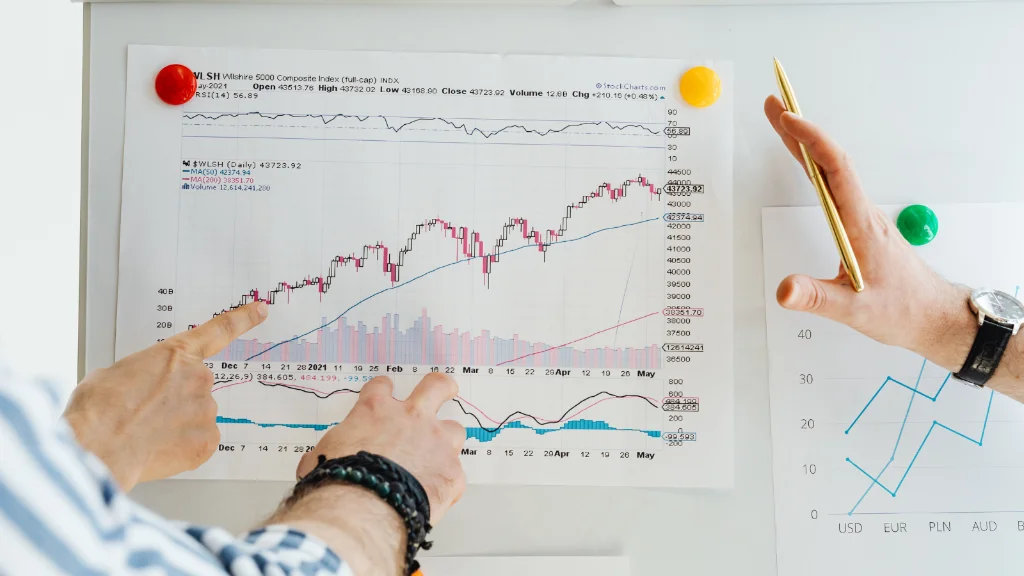 A successful investor does not wait for a crash to act. To rebalance your portfolio, you should set a specific threshold, such as a 5% drift from your target allocation. For instance, if your target for silver is 10% but it has grown to 15% due to a price rally, you might sell the excess to buy other undervalued assets. Conversely, if your equity has soared, you should move funds into digital silver to strengthen your portfolio hedging strategy.
Assess Current Allocation: Determine the percentage of your wealth in stocks, debt, and gold or silver.
Identify the Gaps: Look for over-concentration in volatile sectors.
Execute the Switch: Use digital platforms to buy digital silver in small, manageable tranches.
Monitor Periodically: Review your holdings every quarter to ensure your portfolio hedging remains effective.
Final Thoughts
By integrating these strategies, you can navigate the complexities of the 2026 market with confidence. The combination of industrial utility and precious metal stability makes silver an indispensable asset.
Whether you are looking to protect against a sudden downturn or seeking long-term growth, the ability to rebalance your portfolio with digital silver offers a modern solution to age-old volatility.
As investors use assets like silver to hedge volatility, Loan Against Mutual Funds (LAMF) offers liquidity flexibility without disrupting portfolio diversification.