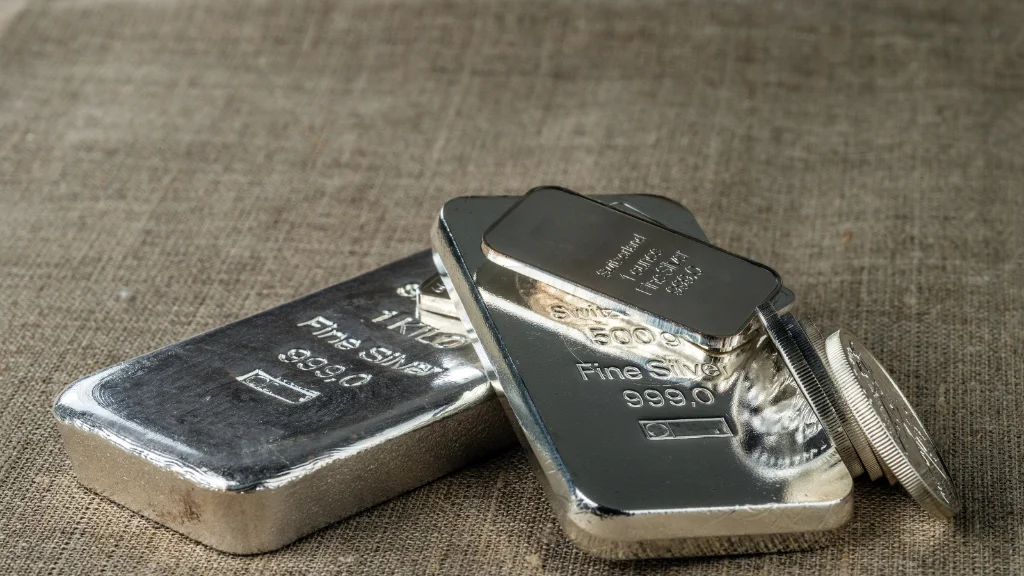
The global financial landscape is undergoing a monumental shift as we approach 2026. Traditional assets are no longer the only way to secure wealth, and among the noise of cryptocurrencies and stocks, a silent giant has re-emerged: silver. However, this isn't the silver of your grandfather's era. We are entering the age of digital silver, a seamless, blockchain-backed, and highly liquid way to own one of the world’s most essential industrial and monetary metals.
If you are looking to diversify, the question is no longer just "if" you should buy, but "how" you should position yourself. This guide explores the future of silver and why digital silver investment is becoming the preferred vehicle for modern portfolios.
The Evolution of the Silver Market Toward 2026
Silver has always occupied a unique dual role as both a "safe-haven" monetary asset and a critical industrial commodity. As we look toward 2026, this dual identity is creating a perfect storm for price appreciation. Unlike gold, which is primarily held for value preservation, silver is indispensable in the green energy transition, 5G infrastructure, and the booming AI data center market.
Digital silver investment offers a way to capture this growth without the logistical nightmares of physical storage. By tokenizing the metal, investors can own fractional shares of institutional-grade bullion, stored in high-security vaults, with the ability to trade 24/7. This convenience is a primary reason why the future of silver is increasingly digital.
Market Dynamics: Why 2026 is the Turning Point
The year 2026 is projected to be a landmark for silver due to a persistent structural supply deficit. For five consecutive years, global demand has outpaced mine production. Because nearly 75% of silver is produced as a byproduct of mining other metals like copper and zinc, supply cannot simply "turn on" even as prices rise. This inelasticity, combined with the 2026 outlook for potential interest rate cuts, creates a highly bullish environment for those who start silver investing early.
Comparing Your Options: Digital Silver vs. Physical Silver
Deciding how to allocate your capital requires an understanding of the vehicles available. While holding a physical bar may feel secure, the "digital" wrapper provides advantages that are hard to ignore in a fast-paced market.
Feature | Physical Silver | Digital Silver Investment |
Minimum Entry | High (Cost of full coin/bar) | Extremely Low (Start with small change) |
Storage | Personal lockers or bank safes | Insured, institutional-grade vaults |
Liquidity | Slow (Requires physical sale) | Instant (Sell via app or exchange) |
Purity | Requires manual verification | Guaranteed 99.9% (LBMA standard) |
2026 Outlook | Bulky for large portfolios | Highly scalable for digital wealth |
As the table illustrates, digital silver investment removes the friction of traditional metal ownership. For an enterprise or a high-net-worth individual looking at the future of silver, the ability to liquidate a position instantly in response to market volatility is a critical advantage.
Key Drivers for the Future of Silver in 2026
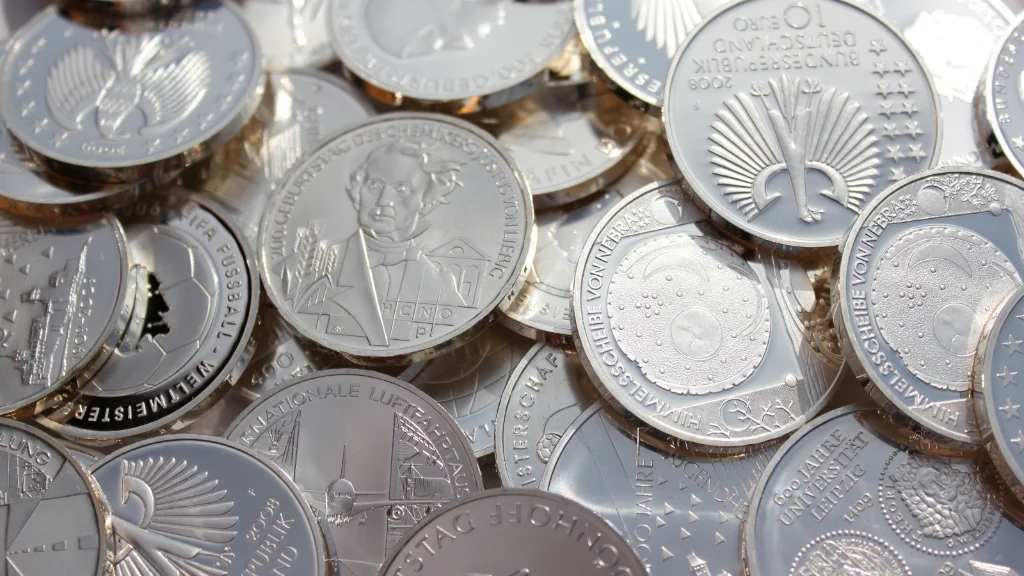 The transition to a digital-first economy is driving the industrial demand for silver to record highs. If you want to start silver investing, you must understand where the metal is actually going. It is no longer just about jewelry or silverware; it is about the "plumbing" of the modern world.
The Green Energy Revolution
Solar energy is the single largest consumer of silver today. Each photovoltaic cell requires silver paste for conductivity. With global net-zero targets accelerating toward 2026, the demand from the solar sector alone is expected to remain a dominant force. When you choose a digital silver investment, you are essentially betting on the continued expansion of renewable energy.
AI and 5G Infrastructure
Artificial Intelligence requires massive data centers, and these centers require high-performance electronics. Silver's unique electrical conductivity makes it irreplaceable in high-end semiconductors and 5G hardware. As we move into 2026, the "smart" economy will be built on a foundation of silver.
Industrial Demand: Accounts for over 50% of total silver usage.
Inventory Levels: COMEX and London vault stocks are at multi-year lows.
Technological Shift: Tokenization is making silver a "liquid" asset for the first time in history.
Why You Should Start Silver Investing Now
 Timing is everything in the commodities market. After a decade of consolidation, silver broke through major resistance levels in late 2025. Experts suggest that as we head into 2026, the metal is in a "price discovery" phase, where it could potentially outperform gold in percentage terms.
Digital silver investment allows you to use a "staggered entry" strategy. Instead of buying a large amount at once, you can set up automated purchases to average your cost over time. This approach is particularly effective for silver, which is known for its high volatility, often moving 2x to 3x more than gold in either direction.
Strategic Portfolio Allocation
For most diversified portfolios, a 5% to 10% allocation to precious metals is standard. However, given the industrial "kick" silver provides, many are shifting their silver-to-gold ratio. By using digital silver investment, you can rebalance your portfolio with a few clicks, ensuring your exposure to the future of silver remains optimal as market conditions change.
Risks and Considerations for 2026
 No investment is without risk. While the future of silver looks bright, the metal is famously volatile. In 2026, global economic shifts or a slowdown in Chinese manufacturing could lead to sharp pullbacks. This is why a long-term perspective is essential when you start silver investing.
Platform Credibility and Regulation
When pursuing a digital silver investment, the "digital" part is only as good as the platform you use. It is vital to ensure that your provider uses LBMA-certified bullion and offers regular third-party audits. Transparency is the bedrock of the digital asset space; always verify that the silver you "own" digitally is physically present in a vault.
Investor Note: Always check for spread costs and storage fees. While digital silver investment is convenient, these small costs can impact your net returns over several years.
Conclusion: Is Digital Silver the Right Choice?
As we approach 2026, the silver case has never been more compelling. It is a rare asset that thrives during both industrial booms and economic uncertainty. Digital silver investment has democratized this market, allowing anyone to start silver investing with minimal capital and maximum security.
The future of silver is tied to the very technologies that define our modern lives, from the smartphone in your pocket to the solar panels on your roof. When paired with Loan Against Mutual Funds (LAMF), investors can maintain exposure to digital silver while meeting short-term funding needs efficiently.