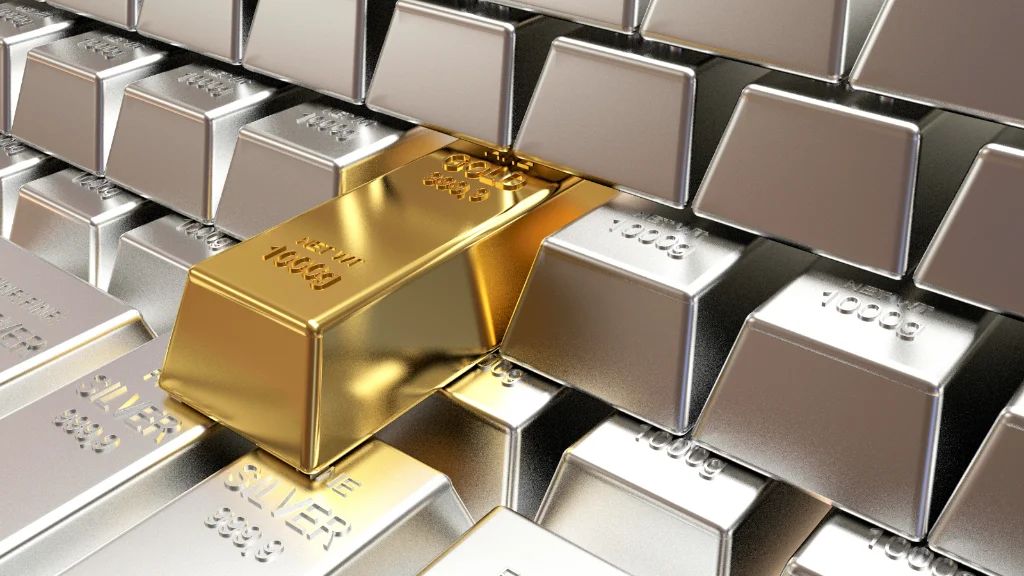
Today, a historic shift is occurring within the commodities market. For decades, gold has been the undisputed king of the vault, but as we navigate through 2026, a new contender is capturing the attention of strategic investors: digital silver.
While gold remains a steady anchor for many portfolios, the unique dual nature of silver, as both a precious metal and a critical industrial component, is creating a performance gap that is hard to ignore.
As global economies lean heavily into green energy and advanced electronics, the demand for silver has surged to unprecedented levels. This transition isn't just about owning a piece of metal; it is about participating in the backbone of modern technology.
When you choose to invest in silver, you are no longer just buying a hedge against inflation; you are buying into the future of semiconductors, electric vehicles, and solar power.
The Case for Silver: Why the White Metal is Outpacing Gold
The primary reason many are shifting their focus is the sheer explosive potential of silver returns. Historically, silver is known as a high-beta asset, meaning it tends to move in the same direction as gold but with much greater intensity. In the bull market cycles of late 2025 and early 2026, we have seen silver prices deliver percentage gains that frequently double those of gold.
This outperformance is driven by a structural deficit. For the sixth consecutive year, global silver demand has outstripped supply, a trend fueled by the massive expansion of the AI and renewable energy sectors.
Unlike gold, which is mostly stored in central bank vaults or worn as jewelry, over 50% of silver is "consumed" by industry, making it a scarcer resource over time.
To understand why you should invest in silver now, we must look at the specific catalysts that are pushing its value higher than the traditional gold standard.
While gold reacts primarily to currency fluctuations and central bank policies, silver is tethered to the actual production of modern goods. This dual-purpose nature creates a supply-demand squeeze that is unique to this metal in 2026.
1. Industrial Consumption and the Green Energy Boom
 Silver is the most conductive metal on earth, a physical property that makes it irreplaceable in the global transition to sustainable technology. In 2026, we are seeing 15% to 20% annual grow
Solar Demand: Modern high-efficiency TOPCon and HJT solar cells require 30% to 50% more silver than older models.
EV Infrastructure: Silver is used in every electrical connection, switch, and sensor within an electric vehicle, with usage per car doubling compared to internal combustion engines.
5G and AI: The expansion of 5G networks and AI data centers relies on silver-coated thin-film in sectors like solar photovoltaics and electric vehicle (EV) battery systems. Unlike gold, which is mostly stored in vaults, silver is "consumed" in these industrial processes.
Every solar panel produced locks away silver that is difficult and expensive to recycle, leading to a structural deficit in the market.
As global mandates for green energy tighten, the industrial floor for silver prices continues to rise, providing a solid foundation for significant silver returns. Processors and connectors to manage high-speed data transfers without overheating.
2. The Gold-Silver Ratio Compression
The Gold-Silver Ratio is a critical metric that tracks how many ounces of silver it takes to buy a single ounce of gold. Historically, the average ratio has hovered around 15:1 or 30:1, but in recent years, it expanded significantly.
In 2026, we are witnessing a "compression" of this ratio. When the ratio is high, silver is considered historically undervalued compared to its yellow counterpart. As investors look for value, they shift capital into the cheaper metal, causing silver to rapidly gain ground.
This "catch-up" effect often leads to silver prices rising at a much faster percentage rate than gold, boosting overall silver returns for those who enter the market during these periods of undervaluation.
3. Accessibility and Fractional Entry Points
With gold prices reaching record highs of over ₹1,50,000 per 10 grams, it has increasingly become a "rich man’s metal," making it difficult for many to accumulate meaningful quantities.
Digital silver solves this barrier to entry by offering unparalleled accessibility. Because the price of silver is significantly lower per gram, investors can invest in silver with much smaller capital outlays while still owning a tangible, high-value asset.
Digital platforms further enhance this by allowing for fractional ownership, meaning you can buy silver in denominations of rupees rather than fixed weights. This democratization of the market is driving a massive influx of retail and enterprise capital, further fueling the upward momentum of the metal.
Lower Unit Cost: Allows for more effective Rupee Cost Averaging (RCA) during market dips.
B2B Integration: Companies can hedge their industrial raw material costs by holding digital silver reserves without physical logistics.
Diversification: Small-scale investors can achieve a diversified metals portfolio that would be cost-prohibitive with gold alone.
To see how these factors are reshaping the modern commodity market and to find the right entry points for your portfolio, visit discvr.ai for real-time data and expert analysis.
Why "Digital" is the Secret Sauce for Silver Investors
 The question often arises: why not just buy physical bars? The answer lies in the friction of the physical market. Silver is much bulkier than gold; ₹1 lakh worth of gold can fit in a small pocket, while the same value in silver requires a heavy bag. This creates massive headaches for storage, insurance, and eventual resale.
By choosing to invest in silver through digital platforms, you eliminate these hurdles entirely. Digital silver represents 99.9% pure physical bullion stored in secured, insured vaults, but it trades with the click of a button.
This liquidity is what allows investors to capture rapid silver returns without worrying about the "spread" or the purity checks often required by local jewelers.
Advantages of the Digital Format
Fractional Ownership: You don’t need to buy a full kilogram. You can start with as little as ₹100, allowing for "Rupee Cost Averaging" through volatile periods.
Instant Liquidity: Unlike a physical coin that you must take to a shop, digital silver can be sold 24/7 at live market rates, with funds hitting your account instantly.
Zero Holding Costs: You don’t pay for bank lockers or specialized insurance; the platform handles the security of the underlying physical asset.
Strategic Portfolio Allocation for 2026
Expert consensus for 2026 suggests that a "Gold-only" strategy is no longer optimal for those seeking maximum capital appreciation. However, because silver is more volatile, it should not replace gold but rather complement it. A balanced approach helps capture the high silver returns while the gold portion of the portfolio protects against sudden market corrections.
A standard "growth-oriented" portfolio in 2026 often follows a 70/30 or 60/40 split between these two metals.
Core Allocation (Gold - 60%): This acts as your insurance policy. It protects you during geopolitical crises and currency devaluations.
Satellite Allocation (Silver - 40%): This is your growth engine. It leverages the industrial boom to provide the "alpha" or outperformance that gold cannot achieve alone.
If you are a risk-seeking investor, you might even flip these ratios. Many who invest in silver aggressively in 2026 are doing so because they believe the supply deficit will lead to a "squeeze," pushing prices to even more astronomical levels before the year ends.
The Road Ahead: Can the Momentum Continue?
 As we look toward the latter half of 2026 and into 2027, the fundamentals for silver remain exceptionally strong. While gold may lead during times of extreme fear, silver leads during times of technological expansion.
With the global "Net Zero" targets approaching, the amount of silver required for the world's power grids and electronic infrastructure is only going to increase.
While past performance is never a guarantee, the combination of a shrinking supply and a skyrocketing industrial need suggests that silver returns will likely continue to outpace gold in percentage terms for the foreseeable future.
The smart money is no longer just "buying gold"; it is diversifying into the white metal to capture the next leg of the commodities bull run.
Conclusion
The debate between gold and silver isn't about which metal is "better" in a vacuum, but which one fits your specific financial goals for 2026.
Gold offers the peace of mind that comes with centuries of stability, while digital silver offers the high-octane growth potential of a 21st-century industrial essential.
By choosing to invest in silver alongside gold, you are effectively hedging your bets, protecting your wealth with one hand and growing it with the other.
As the gold-silver ratio continues to tighten and industrial demand hits new peaks, the window for capturing outsized silver returns remains open. Whether you are a conservative saver or an aggressive investor, adding a digital silver component to your strategy is a move toward a more modern, responsive, and profitable portfolio.