
In 2026, the way we grow our wealth is undergoing a fundamental shift. For decades, the stock market and complex investment vehicles were guarded by high fees, minimum balance requirements, and a language only a few understood. Today, that world is different. The barrier to entry has not just been lowered; it has been completely dismantled.
Fintech apps are now the primary gateway for millions of people to access global markets. This transition from traditional, human-led brokerage to digital-first, algorithm-supported platforms is more than just a convenience. It is a democratization of wealth.
Whether you are an experienced trader or a complete beginner, the landscape has changed to favor the individual user.
How Fintech Apps Are Transforming Investing
The core of this transformation lies in the philosophy of accessibility. In the past, if you wanted to invest in a company like Amazon or Google, you needed enough capital to buy a full share, which could cost thousands of dollars. Now, that is no longer the case. Fintech platforms have introduced a level of flexibility that was previously unimaginable.
Fractional shares allow users to buy a slice of a stock based on a dollar amount rather than a share count. This means a user can invest as little as $1 or $10 into high-value companies.
This feature has opened the door for younger generations and lower-income individuals to start their investment journey early. By removing the high "cover charge" of the stock market, these apps have turned every smartphone user into a potential investor.
One of the biggest hurdles to frequent investing used to be the transaction fee. Traditional brokers would charge $5 to $30 per trade, which ate into the profits of small-scale investors. Modern fintech apps have largely shifted to a zero-commission model.
This allows for more frequent, smaller trades and encourages users to "dollar-cost average" their positions without worrying about fees eroding their principal investment.
Best Investment Apps and Their Core Innovations
When choosing the best investment apps, users often look for a balance between ease of use and sophisticated features. The current market leaders offer a variety of tools that cater to different risk tolerances and financial goals.
Feature Type | How It Works | Primary Benefit |
Robo-Advisors | Uses AI to build and rebalance a portfolio. | Professional-grade management at a fraction of the cost. |
Social Trading | Allows users to copy the trades of experts. | Reduces the learning curve for new investors. |
Auto-Roundups | Automatically invests spare change from daily purchases. | Makes wealth building a passive, effortless habit. |
Direct Indexing | Allows users to own individual stocks within an index. | Provides greater tax efficiency and ethical customization. |
The Rise of Automated Robo-Advisors
 Robo-advisors use artificial intelligence and rule-based algorithms to create and manage an investment portfolio for you. After you answer a few questions about your income, goals, risk appetite, and time horizon, the platform automatically builds a diversified portfolio across asset classes such as equity and debt.
The system continuously tracks market movements and rebalances your portfolio whenever allocations drift from the original plan. This removes emotional decision-making and ensures consistent discipline.
The biggest advantage of robo-advisors is that they offer professional-grade portfolio management at a much lower cost than traditional financial advisors, making them ideal for long-term investors who want steady growth without active involvement.
Social Trading and Community Wisdom
Social trading platforms allow investors to learn and invest by following experienced traders. Users can view real-time portfolios, past performance, and risk metrics of top traders and choose to copy their trades automatically.
When the expert buys or sells a stock, the same trade is executed proportionally in the follower’s account. This significantly reduces the learning curve for beginners, as they gain exposure to real market decisions without needing deep technical knowledge.
Social trading also adds transparency and confidence, though it works best when users diversify across multiple traders rather than relying on just one strategy.
Auto-Roundups
Auto-roundup features are designed to make investing effortless and habit-driven. These tools link to your debit card or bank account and round up every purchase to the nearest chosen amount.
The spare change is then automatically invested into a selected portfolio. Because the invested amounts are small and frequent, users barely feel the impact, yet over time these micro-investments can compound into meaningful wealth.
Auto-roundups are especially effective for new investors who struggle with consistency or procrastinate when it comes to setting aside money for investments.
Direct Indexing
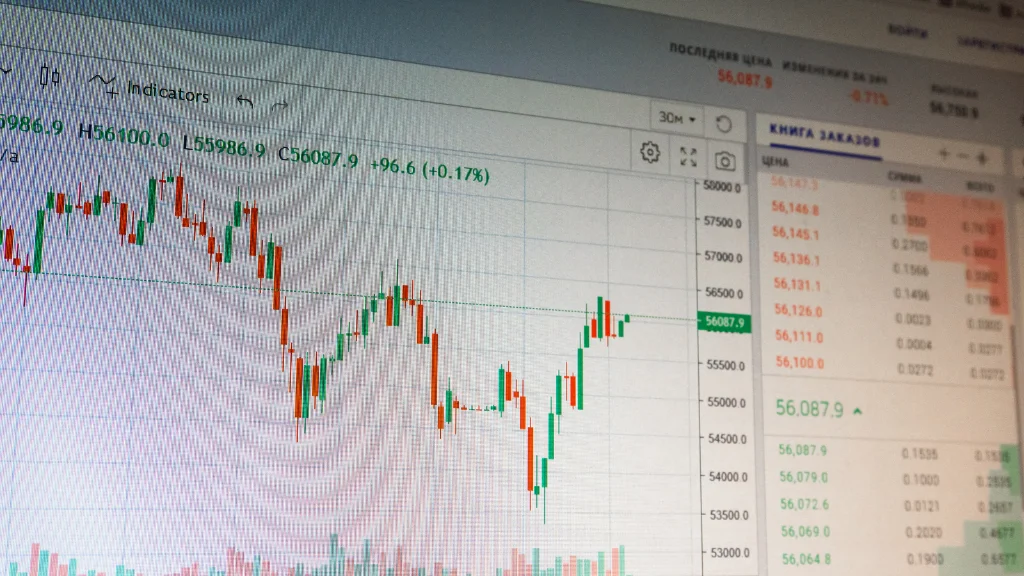 Direct indexing allows investors to own the individual stocks that make up an index rather than investing in a single index fund. This approach gives investors greater control and transparency over their portfolio holdings.
One of the biggest advantages is improved tax efficiency, as losses in specific stocks can be harvested to offset gains elsewhere. Direct indexing also enables customization, allowing investors to exclude certain companies or sectors based on personal or ethical preferences.
While this approach requires a larger investment amount to be effective, it is highly attractive to high-net-worth individuals seeking tailored portfolios and long-term tax optimization.
Conclusion
The transformation of the investment landscape is permanent and accelerating. Fintech apps have shifted the power dynamic from the institution to the individual, making the process of wealth creation more accessible, affordable, and intelligent. By leveraging AI, fractional ownership, and 24/7 market access, these platforms have turned what was once a complex chore into a seamless part of daily life. As we look toward the future, the integration of even more advanced technologies will continue to refine how we interact with our money, ensuring that everyone has a fair shot at financial independence.
To stay at the forefront of the digital revolution and discover the tools shaping the future of finance, discvr.ai uncovers the most innovative solutions across technology and markets. Alongside deep insights, solutions like Loan Against Mutual Funds add financial flexibility, helping investors and professionals navigate a rapidly evolving world with clarity and confidence.