
Gold has always held a special place in Indian households, acting as both a cultural symbol and a financial safety net. While physical gold remains a staple, the convenience of buying 24k gold with a single click has made digital gold a favorite for modern investors.
However, as the popularity of this asset grows, so does the confusion surrounding its tax implications. If you are holding digital gold or planning to start a SIP, understanding how the taxman views your investment is the first step toward maximizing your returns.
When you buy digital gold, you are purchasing a claim on physical gold stored in secure, insured vaults. Because it represents a tangible asset, the Indian tax laws treat it very similarly to physical bars or coins.
Whether you are selling your holdings for a profit or converting them into physical jewelry, there are specific rules regarding GST and Capital Gains Tax that you must follow to stay compliant. This guide breaks down the digital gold tax structure to help you navigate your investments wisely.
Understanding the GST on Digital Gold Purchases
When you decide to buy digital gold, the very first tax you encounter is the Goods and Services Tax (GST). Unlike some financial instruments like stocks or certain mutual funds that are exempt from GST at the point of purchase, digital gold is treated as a commodity.
This means every time you make a purchase, whether it is for 100 or 10,000, a portion of your money goes toward the national tax pool. This tax is levied at the entry point and is non-refundable, meaning it is a cost added to your acquisition price.
The current tax structure is straightforward and mirrors the physical market. When you buy digital gold through any platform in India, a flat 3% GST is applied to the purchase value. This is the same rate applied to physical gold coins or bars.
It is important to remember that this tax is added to the "spread" or the buying price offered by the platform. If you later choose to take physical delivery of your gold, additional taxes may apply to the services rendered during that transition.
If you choose to convert your digital holdings into physical coins or jewelry, you are essentially triggering a service-based transaction.
While the gold itself has already been taxed at 3%, the "making charges" or the cost of craftsmanship will attract a 5% GST.
Additionally, if the platform charges a separate delivery fee to ship the gold to your doorstep, that service fee also attracts 5% GST. This is a crucial detail for investors who intend to eventually hold the metal in their hands.
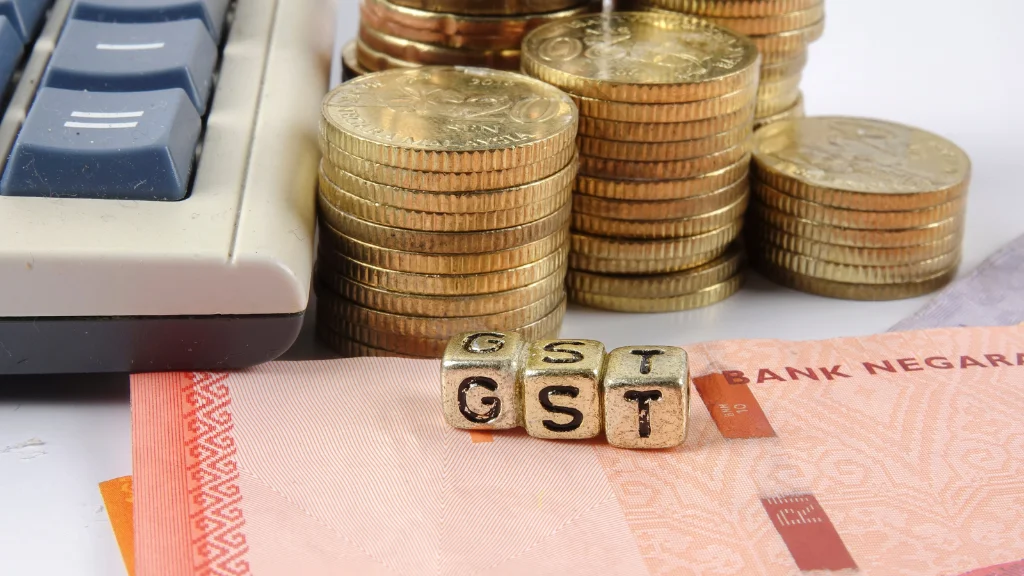 The price you see on most apps is the "live" price, but the 3% GST is often calculated on top of that price or included in the final checkout amount. Investors should be aware that the "spread", the difference between the buying price and the selling price, exists because the platform needs to cover GST and administrative costs.
This is why your investment might show a slight "loss" immediately after you buy digital gold, as the 3% tax is a sunk cost that the gold's value must overcome through market appreciation.
The Core of Taxation: Capital Gains Tax on Digital Gold
Understanding how digital gold is taxed is essential before you invest or decide to sell. In India, digital gold is treated the same as physical gold for taxation purposes, which means profits are taxed under capital gains rules.
The key factor that determines how much tax you pay is the holding period, which has been clearly defined after recent tax updates. Knowing when your investment becomes long-term, how gains are calculated, and what additional charges apply can help you plan exits more efficiently and avoid unexpected tax liabilities.
Any profit made from selling digital gold is classified as capital gains, calculated as the difference between the purchase price and the selling price.
If digital gold is sold within 24 months, the gain is treated as short-term capital gains and added to your total income, taxed according to your applicable income tax slab.
For investors in higher tax brackets, short-term gains can attract up to 30% tax, significantly reducing post-tax returns.
Holding digital gold for 24 months or more qualifies it as a long-term asset, taxed at a flat 12.5% rate under current rules.
The earlier benefit of indexation has been removed, meaning tax is calculated on the absolute profit rather than inflation-adjusted gains.
After computing the capital gains tax, a 4% Health and Education Cess is added, and high-income investors may also face an additional surcharge depending on total annual income.
How to Calculate Your Taxable Profit on Digital Gold
 Calculating your digital gold tax liability is now simpler because of the removal of indexation. The basic formula involves taking your total sale proceeds and subtracting the cost of acquisition. The cost of acquisition includes the original price you paid when you decided to buy digital gold, as well as the 3% GST you paid at that time. Since GST is an expense incurred to acquire the asset, it effectively reduces your taxable profit.
If you bought digital gold worth 1,00,000 in early 2024 and sold it in 2026 for 1,50,000, your absolute profit is 50,000. Since you held it for over 24 months, you apply the 12.5% LTCG rate.
If you had sold it within 18 months, that 50,000 would be added to your salary or business income and taxed at your slab rate. Keeping a clear ledger of these transactions is vital for an accurate filing process.
FIFO Method for SIP Investors
Most people do not buy gold in one lump sum; they use SIPs to build their holdings. When you sell a portion of your gold, the tax department uses the First-In-First-Out (FIFO) method. This means the gold you purchased first is considered the first to be sold.
This is beneficial for investors who have been buying for years, as their oldest units are likely already in the LTCG category, reducing the overall tax hit.
Deduction of Transfer Expenses
When calculating profits, you are allowed to deduct any expenses incurred specifically for the transfer or sale of the gold. In the digital world, this could include platform-specific exit fees or brokerage charges if applicable.
While these are usually minimal in the digital gold space, they are legitimate deductions that can marginally lower your digital gold tax base.
Setting Off Losses
If you sell your digital gold at a loss, you can "set off" that loss against other capital gains. A short-term capital loss can be set off against both short-term and long-term gains. However, a long-term capital loss can only be set off against other long-term capital gains.
This is a powerful tool in tax planning, allowing you to balance your portfolio's tax liability by offsetting wins in one area with losses in another.
Reporting Digital Gold in Your Income Tax Returns (ITR)
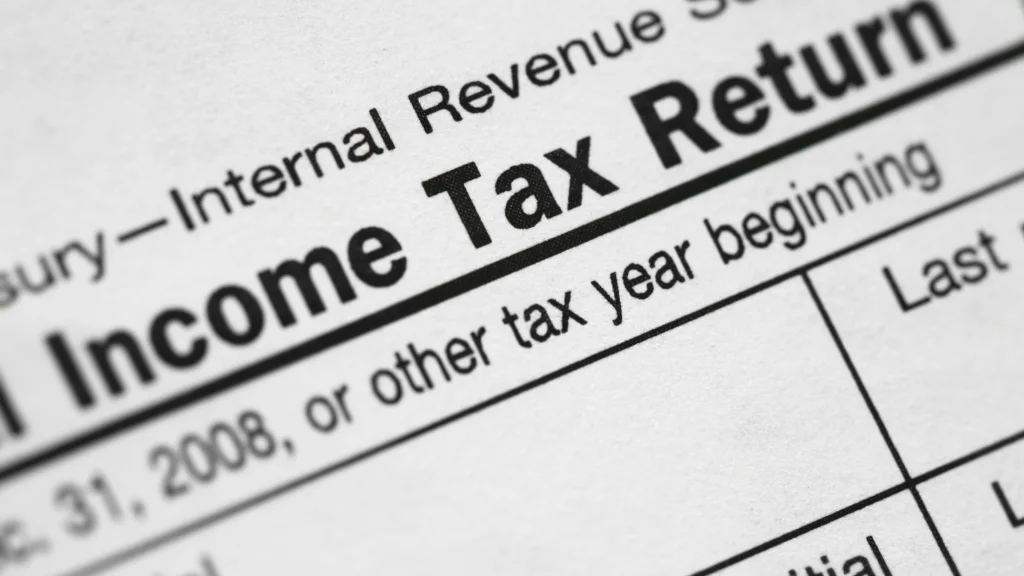 A common mistake among new investors is assuming that because digital gold is "virtual" or held on a mobile app, it does not need to be reported to the authorities. This is a dangerous misconception. The Income Tax Department treats digital gold as a capital asset. Every time you sell and move the money to your bank account, there is a paper trail. Reporting these gains is mandatory to avoid penalties and legal scrutiny.
Generally, you should report your gains from gold under the head of "Capital Gains" in your ITR. For most individual investors, ITR-2 is the appropriate form, while ITR-3 is used if you are a trader who treats gold as a business commodity. Most major platforms that allow you to buy digital gold provide an annual transaction statement or a tax summary. Downloading this document before the tax season starts is the best way to ensure your filing is accurate and stress-free.
To buy digital gold in significant quantities, platforms will require your PAN and Aadhaar details. This is part of the Mandatory Know Your Customer (KYC) norms.
Because your PAN is linked to the transaction, the Income Tax Department's Annual Information Statement (AIS) will likely reflect your gold sales. If the AIS shows a sale and your ITR does not, it could trigger an automated tax notice.
If your total annual income exceeds 50 Lakhs, you are required to fill out the "Schedule AL" (Assets and Liabilities) in your ITR. In this section, you must disclose the value of all your assets, including jewelry and bullion.
While digital gold is held in a vault, it technically falls under the category of bullion or "other assets." Being transparent here is essential for maintaining a clean financial record.
NRIs are also permitted to buy digital gold in India, but their tax treatment involves TDS (Tax Deducted at Source). While resident Indians usually pay tax at the end of the year, platforms may be required to deduct TDS on the sale proceeds for NRIs.
The rates for NRIs are generally higher, 20% for LTCG, unless specific Double Taxation Avoidance Agreements (DTAA) are invoked. NRIs should consult a tax expert to optimize their Indian gold investments.
Conclusion
Navigating the world of gold investments requires more than just watching the market price; it requires a solid grasp of the tax landscape.
Whether you are looking to buy digital gold for a rainy day or as a core part of your long-term portfolio, the digital gold tax rules are designed to be transparent but firm. By holding your assets for at least 24 months, you can lock in the favorable 12.5% LTCG rate and avoid the heavy burden of the short-term income tax slabs.
Ultimately, the best investment is one that aligns with your financial goals while staying compliant with the law. Digital gold offers the perfect blend of modern convenience and traditional security.
If you want to dive deeper into data-driven investment strategies and explore tools that help you make sense of the evolving Indian market, visit discvr.ai. Staying informed is the only way to ensure your investments glitter as brightly in your bank account as they do in the vault.